
Nowadays, with the development of network and information technology, digital marketing has reached an unprecedented height, and the extensive use of social media has brought convenience to it. Social media refers to the tools and platforms that people use to share opinions, opinions, experiences and opinions. Important components of Web 2.0 include Facebook, LinkedIn, Flickr, Youtube and other social media (Kaplan & Haenlein, 2010). According to the first part of the yellow social media report, more than 62% of Australians use social media every day, which proves that we are now in the digital age and the use of social media is extremely high.
Fistly, social media sites help students perform better at school, they use social media to discuss talking about school assignments. Experts point out that students should be encouraged to use social networking sites to build new online friends, feel socially integrated in their new school, and reduce the risk of dropping out of school.
Secondly, social media allows people to improve their relationships and make new friends. 93% of adults use it to contact family on Facebook, and 72% of teenagers connect with friends by social media. This high percentage of use proves the indispensability of social media, and it can even help you connect with your past classmates.
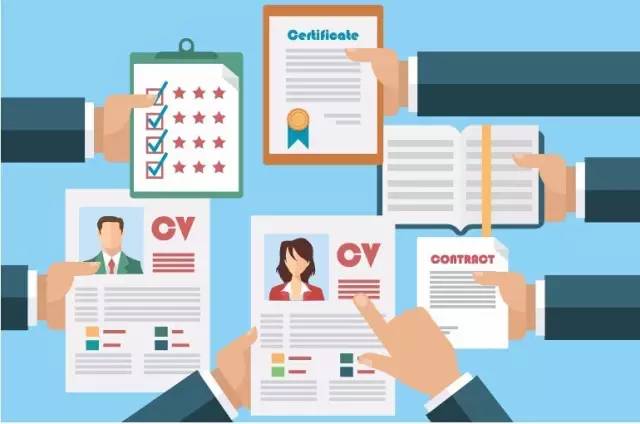
Finally, social media helps employers find employees and job seekers to find jobs. In the past, finding a job may require people to go to the companys to send resumes, but the emergence of social media allows people to submit resumes online, saving a lot of time.

Kaplan and Haenlein (2010) mention that digital marketing through social media brings huge corporate benefits behind it, allowing customers to interact with the company and allowing companies to receive immediate feedback on their content. For example, the most common fast foods, such as KFC, McDonald’s, etc., regularly publish relevant new products on the Internet on various social platforms. Because of the popularity of their brands, customers will be happy to taste them in the first. What’s more, on a platform like Zomato, people will look for their favorite and high-rated restaurants, as a gathering or dating place.
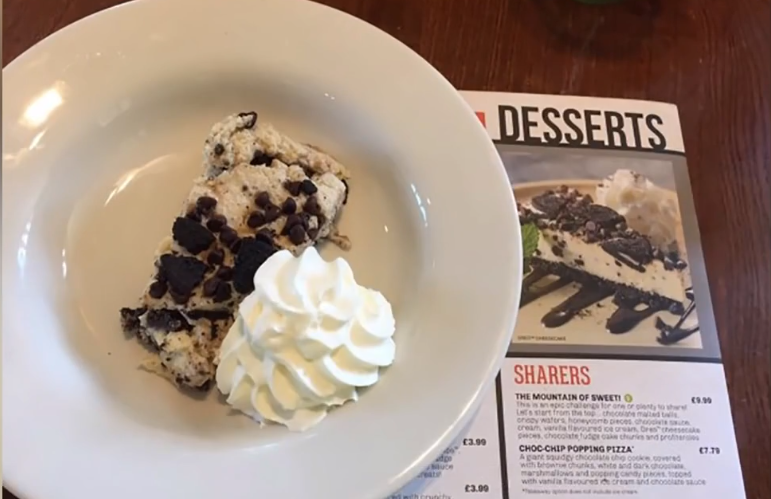
With the widespread use of social media, the good side is the timeliness and sharing of information, but the problem is the falseness of digital marketing. Many times, some food advertisements are made with inedible materials, and some storefront advertisements are paid for by people who pretend to be tourists. Therefore, the digital information that customers receive may be the ‘fake product’ that the store has carefully packaged, which affects the accuracy of consumers’ judgments about the quality of things.

So how do you think about the fake digital marketing brought by social media? Is there a better way to solve this problem? Welcome everyone to give me the comment. Thanks. 🙂
 marketing
Hi Tina, personally I think fake digital marketing is not likely to generate a long-term accomplishment. That’s why successful businesses plan their marketing campaigns thoroughly.
LikeLike
I agree with you. I think there needs to be a third party to monitor the authenticity of this marketing, just like food inspection, so as to ensure the rights of consumers.
LikeLike
Thanks Tina that you share the idea of the current social media marketing. As you mentioned on the post, the digital information that customers receive may be the ‘fake product’ that the store has carefully packaged, which affects the accuracy of consumers’ judgments about the quality of things. Yet, we have multiple choices to get the information of the advertiser as cafe or shop before we visit the store. Therefore, we may choose to check some of the objective opinions and reviews to avoid the “FAKE INFORMATION”.
LikeLike
Yes, the choice of customer autonomy is also a good way to combat false marketing. This is why competition brings benefits.
LikeLike
Hi, Tina, I really agree about the falseness of digital marketing today. More and more shops make use of the benefit of the digital marketing to exaggerate the advantages of products and publicize false products, which will harm the interests of consumers. Your blog tells me that I should be careful in my choice. What a wonderful blog it is!
LikeLike
Thank you for your praise! I am very happy that my point of view has brought you some thoughts. As I mentioned in my blog, I also hate false marketing as a consumer.
LikeLike
Hi Tina, the fake digital marketing has some negative effect but it shows more benefit on business and customers. people has their own judgement to decide which information they should believe. apart from that the digital marketing also can be supervised by related department and the pubic. by the end, the supervisery mechanism should be more strict to against the fake digital marketing.
LikeLike
Completely correct! The solution you proposed is consistent with what I think. Sometimes it is a good thing to have third-party supervision, although this may be difficult to achieve right away.
LikeLike
Hi, Tina, your view on the fake digital marketing is really on point! I believe we all have been through the situation that the food served looked nothing like the food shown online or on the menu. Fake marketing might be able to attract some one-time customers, but definitely no loyal customers. The marketing must be real to develop loyal customers.
LikeLike
That’s right. False marketing can appeal to the first customers, but not a way for a company to operate long-term. With the increasing exposure, people will one day find out the truth, and the product’s ability is the core thing.
LikeLike